Home » About the Artist – Amir Chodorov
About the Artist – Amir Chodorov
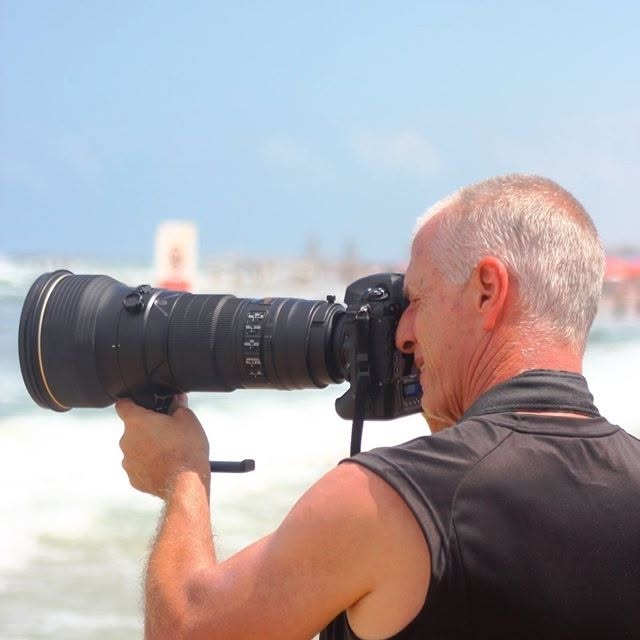
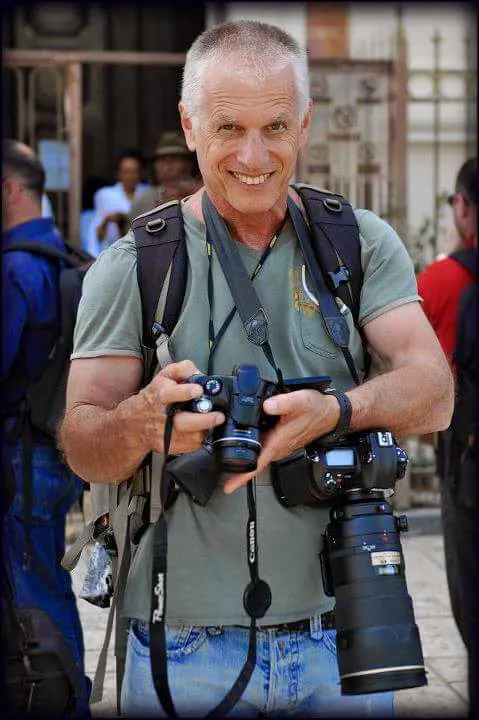
Amir Chodorov (1957) is a photographer and visual artist, and the creator and developer of the “Wholeness Photography” method. Chodorov, a former fighter pilot in the Israeli Air Force, lives and works in Tel Aviv and has been involved in the field of photography and art for over four decades. Over the years, he has developed a unique artistic language that connects photography, planning and composition, and has registered a trademark in his name for the “Whole Photography” method and an official patent (2017) for the “digital fresco” technique he created. His works have been exhibited in galleries, museums and private and public collections in Israel and around the world.
Renaissance Principles in a Space of Commemoration
Encounter with the Renaissance
The roots of Chodorov’s artistic perception developed many years earlier. He first visited the Sistine Chapel in Rome when he was seventeen. Standing in front of Michelangelo’s expansive ceiling, he had a thought that would accompany him over the years: that this was how narratives should be told in a big way, in a total way, in a way that invites the eye to wander between the different parts of the work, rather than just focusing on a single point. Later, that encounter became one of the concepts that shaped his artistic perception.
Chodorov served for 25 years in the Air Force, during which he became accustomed to looking at the world from above. Alongside his service, he continued to constantly take photographs, out of a love for that field. His earlier encounter with the Renaissance works as well as the ideas that he first encountered in Rome continued to accompany him over the years.
Wholeness Photography
About fifteen years after his discharge from the IDF, Chodorov returned to Rome and Florence, this time out of a desire to delve deeper into the Renaissance works and to learn more about the way they were created. It was on the second trip to Rome that he discovered what he saw as the secret of the work of the Renaissance artists: preparation. He learned that their works was preceded by an orderly and in-depth process – a study of the characters and of the story, a precise planning of the composition and perspective based on mathematics that had already been written by Plato and Euclid, and the gradual construction of a large work made up of many parts.
From these principles, Chodorov developed the “wholeness photography” method. Instead of settling for a single frame, he photographs hundreds and sometimes thousands of photographs from different angles and connects them into one large-scale work. Each detail stands on its own, but takes on its full meaning as part of the whole.
From the thought to the material
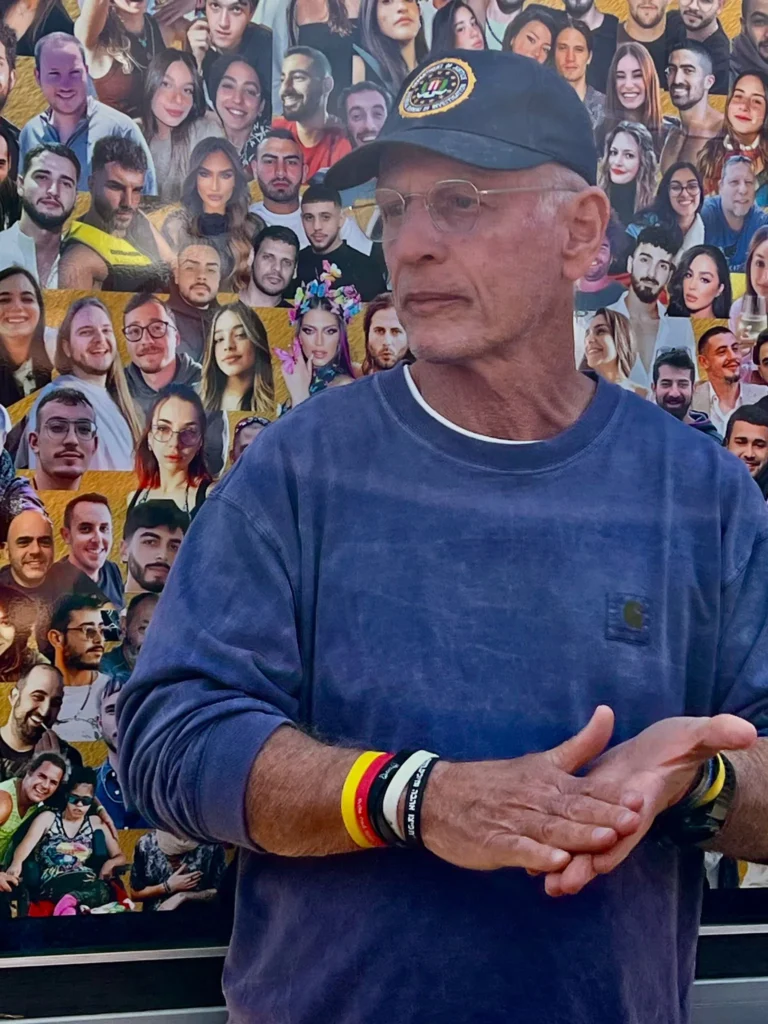
Chodorov returned to the concept of preparation carried out by Renaissance artists when he began the planning of the memorial site in the Re’im parking lot. He studied in depth the stories behind the victims’ names – the people, their lives, their loves and their dreams – and from this starting point, he began to formulate the space he had envisioned.
Throughout the process, he was accompanied by Michelangelo’s idea that creation is born first as a thought and that its realization through the physical material is the manner in which the creation is expressed. This is how Chodorov saw the Re’im parking lot – as a large-scale work placed on the soil of the Negev, where beauty and sadness coexist. His work there became an attempt to create wholeness in a place where the heart has been broken into pieces.
Exhibitions, Awards and Selected Projects
Over the years, Chodorov has gained international recognition, and his works have been exhibited in museums, galleries, and private and organizational collections in Israel and around the world.
Among the recognitions and awards he has received: first prize at the London Art Biennale (2019), inclusion in the Top 60 Masters list in New York (2022), and recognition as a Maestro by the Art Academy Italy. His works have been exhibited at the Vatican Museum, the Leonardo da Vinci Museum in Milan, and the Holon Museum, among others.
He has created several large-scale projects – including the “Heritage Walls” in Tel Aviv’s Hatikva neighborhood, which cover an area of about 1,200 square meters; a work depicting the Old City of Jerusalem, displayed at Jerusalem’s International Convention Center; and a 6.5-meter-long permanent exhibit at the IDF General Staff offices in the Kirya urban military base and headquarters in Tel Aviv.